


5 Essential Tips for Visiting Washington, D.C.
Washington, D.C., looks compact on a map until your feet disagree. The National Mall stretches for miles, museum lines can change your schedule, and the best parts of a trip often happen away from the monuments. A little planning makes the difference between a rushed checklist and a capital visit that feels full, smooth, and memorable.
These five tips will help you make the most of your time, whether you are coming for museums, history, food, family travel, or a long weekend.
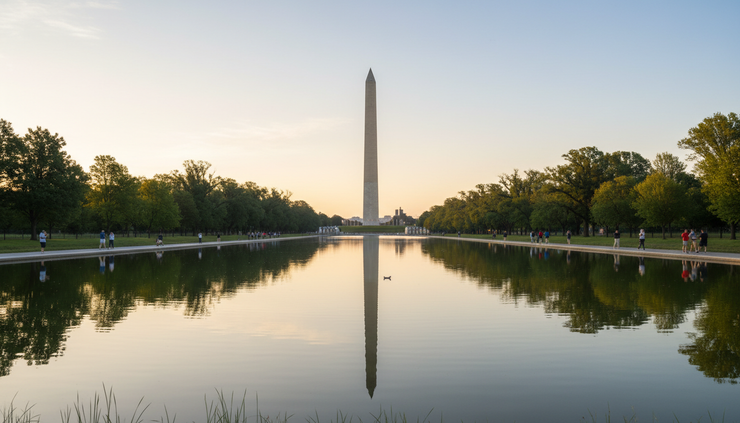
1. Plan your days by area, not by attraction
D.C. rewards smart grouping. If you jump from Georgetown to Capitol Hill to the National Zoo in one day, you will spend too much time in transit. Instead, build each day around one part of the city.
A simple plan might look like this:
Day area | Good fits |
National Mall | Smithsonian museums, Washington Monument, Lincoln Memorial, Vietnam Veterans Memorial |
Capitol Hill | U.S. Capitol, Library of Congress, Supreme Court, Eastern Market |
Northwest D.C. | Dupont Circle, Georgetown, Embassy Row, Rock Creek Park |
Arlington and nearby Virginia | Arlington National Cemetery, Old Town Alexandria, Mount Vernon if you have extra time |
The National Mall is the easiest place to underestimate distance. The walk from the U.S. Capitol to the Lincoln Memorial is scenic, but it is long. Add museum stops, heat, kids, or winter wind, and the day gets tiring fast.
If your Alexandria vacation includes the capital, D.C., plan your route before you cross the river. Old Town Alexandria can be a peaceful home base, especially if you want waterfront dining and Metro access without staying directly downtown.
2. Book the things that require advance planning
Many D.C. attractions are free, which is one of the city’s biggest perks. Free does not always mean walk-in, though. Some popular sites use timed passes, security checks, or advance reservations.
Check requirements before your trip for places such as:
The U.S. Capitol
The White House, if you are requesting a tour through official channels
The Washington Monument
The National Museum of African American History and Culture
The United States Holocaust Memorial Museum during busier periods
Popular restaurants and special exhibitions
Even when tickets are not required, timing matters. Museums can feel very different at 10 a.m. than they do in the middle of a rainy Saturday. If one museum is the main reason for your trip, put it early in the day and build the rest of the schedule around it.
For a longer capital visit, a short-term rental like Payne St. House can be useful if you want a kitchen, laundry, or more space between sightseeing days.

3. Use Metro, walking, and rideshares with intention
D.C. is one of the easier U.S. cities to explore without a car. The Metro reaches many major areas, and walking often makes sense once you are near the Mall or downtown. Driving, by contrast, can be stressful because of traffic, one-way streets, parking rules, and event closures.
A few transit tips help:
Use Metro for longer hops
It works well for trips between neighborhoods, airports, and many suburban stops.
Walk when attractions are clustered
The Mall, Capitol Hill, and downtown are made for walking, as long as you are wearing comfortable shoes.
Save rideshares for awkward routes
They can help late at night, during bad weather, or when traveling with someone who has limited mobility.
Check station names before you go
Some stops sound close to an attraction but still require a decent walk.
Bring a portable phone charger if you rely on maps and transit apps. D.C. wayfinding is not hard, but a dead phone after a museum day can turn a simple ride back into a hassle.
4. Start early and pace the National Mall
The monuments feel different in the morning. The light is softer, the crowds are thinner, and summer heat has not peaked. If you want photos at the Lincoln Memorial, Reflecting Pool, or Washington Monument, an early start pays off.
For many visitors, the best Mall route is not “see everything.” It is choosing a few meaningful stops and leaving time to absorb them.
A balanced Mall day could include:
One major museum in the morning
A lunch break away from the busiest museum cafes
Two or three memorials in the afternoon
A rest at the hotel before dinner
A nighttime monument walk if energy allows
Night visits are especially memorable. The Lincoln Memorial, World War II Memorial, and Korean War Veterans Memorial carry a quieter mood after dark. Stay aware of your surroundings, stick to well-traveled areas, and check transit options for getting back.

5. Leave space for neighborhoods, food, and weather
The federal core is only one version of D.C. The city becomes much more interesting when you add neighborhoods to the trip. Georgetown has historic streets and the waterfront. Dupont Circle has bookstores, cafes, and galleries. Adams Morgan and U Street offer lively dining and music. Eastern Market is a strong weekend stop near Capitol Hill.
Food is another reason to leave the Mall. Museum cafes are convenient, but they are not the whole story. Look for Ethiopian restaurants, neighborhood bakeries, seafood spots, ramen, pupusas, and classic half-smoke stands. D.C.’s food scene reflects the communities that live and work there.
Weather can change the shape of your day, too. Summers are hot and humid. Spring and fall are often pleasant but can swing between warm afternoons and cool evenings. Winter can be crisp and beautiful, especially with fewer crowds.
Pack with comfort in mind:
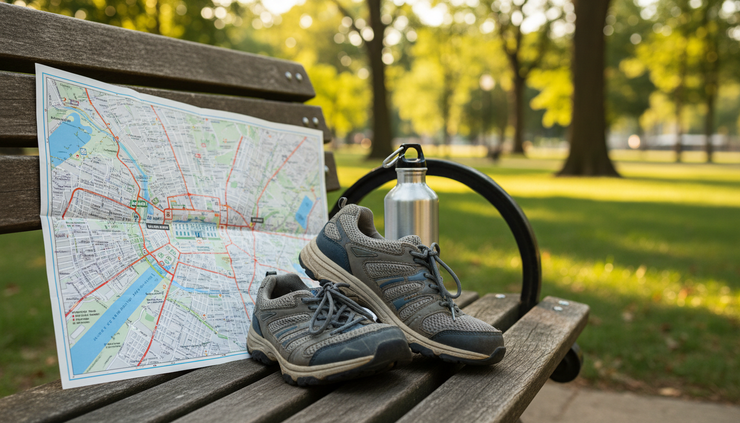
Comfortable walking shoes
A refillable water bottle
Layers for changing temperatures
A small umbrella or rain jacket
A light bag for museum security checks
Identification for tours that require it
Small choices keep the day moving. Heavy bags slow down security lines. New shoes can ruin a walking trip. A flexible schedule gives you room to rest, linger, or change plans when the weather turns.
Make your D.C. trip easier to enjoy
A great Washington, D.C., visit is not about squeezing in every landmark. It is about matching the city’s scale to your energy, interests, and time. Group your days by area, reserve key attractions early, use transit wisely, pace the National Mall, and leave room for neighborhoods beyond the familiar postcard views.
Do that, and D.C. becomes more than a list of monuments. It becomes a city you can actually experience.
Comments